Why Can’t Teeth Heal on Their Own?
23 July 2026 · 174 views
The human body has an extraordinary ability to repair itself. A cut on the skin heals, a broken bone can recover, and the liver can even partially regenerate. But teeth are an interesting exception.
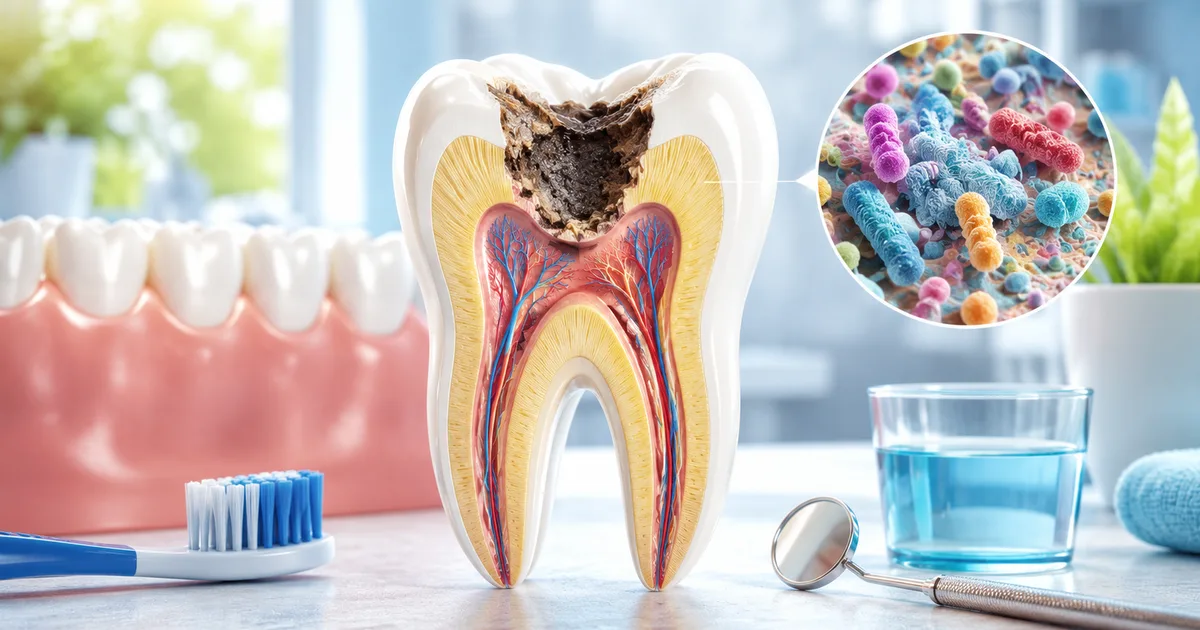
Tooth enamel is the hardest substance in the human body — even harder than bone. However, once it is damaged by decay or erosion, the body cannot fully rebuild it. The reason is simple: the cells responsible for forming enamel, called ameloblasts, disappear once the tooth has finished developing.
Interestingly, the tooth is not completely without protection. Saliva contains minerals, especially calcium and phosphates, which can help repair very small areas of enamel damage. This process is called remineralization.
The problem begins when acid attacks — produced by bacteria in dental plaque or coming from acidic foods and drinks — occur more often than the natural repair processes. Over time, the enamel becomes weaker, and the process can develop into tooth decay.
So, teeth cannot “heal” in the same way as skin, but the body is constantly trying to protect them. Proper oral hygiene, fluoride, and regular dental check-ups help this natural defense mechanism work as effectively as possible.
Tooth enamel is the hardest substance in the human body — even harder than bone. However, once it is damaged by decay or erosion, the body cannot fully rebuild it. The reason is simple: the cells responsible for forming enamel, called ameloblasts, disappear once the tooth has finished developing.
Interestingly, the tooth is not completely without protection. Saliva contains minerals, especially calcium and phosphates, which can help repair very small areas of enamel damage. This process is called remineralization.
The problem begins when acid attacks — produced by bacteria in dental plaque or coming from acidic foods and drinks — occur more often than the natural repair processes. Over time, the enamel becomes weaker, and the process can develop into tooth decay.
So, teeth cannot “heal” in the same way as skin, but the body is constantly trying to protect them. Proper oral hygiene, fluoride, and regular dental check-ups help this natural defense mechanism work as effectively as possible.