Saliva – The "Invisible Laboratory" Transforming Modern Dental Diagnostics
19 July 2026 · 161 views
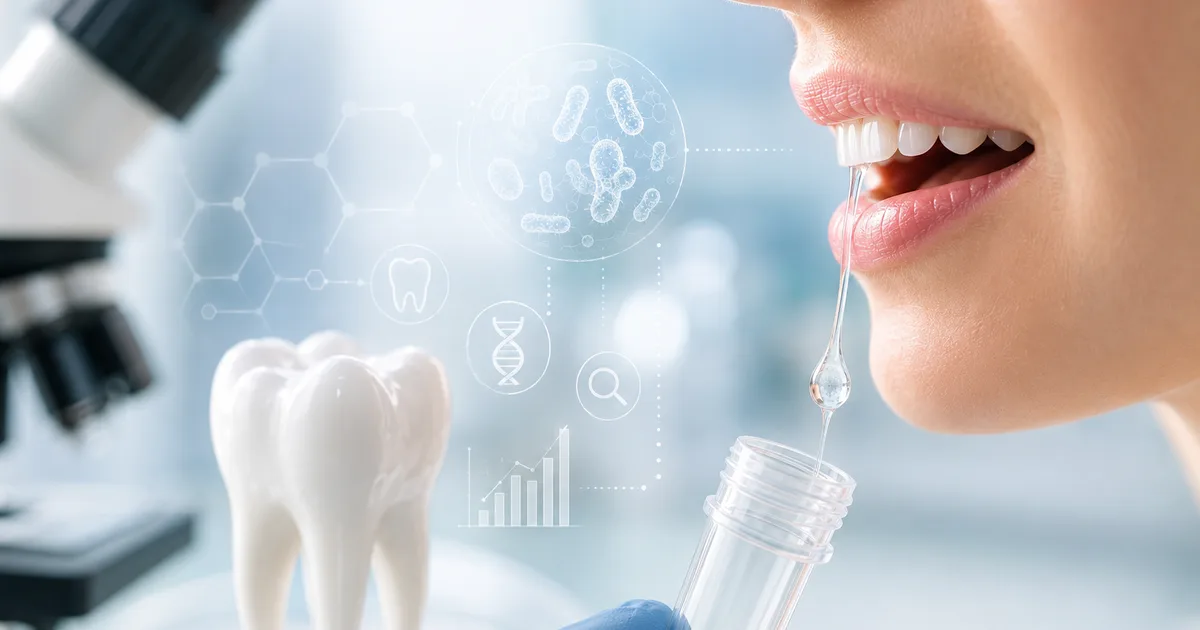
When people think about oral health, they usually focus on teeth and gums. However, one of the most valuable tools in modern dentistry is something we rarely notice—saliva. In recent years, researchers have developed advanced saliva analysis techniques capable of providing important information about both oral health and overall well-being.
Saliva contains hundreds of proteins, enzymes, bacteria, and biological markers that can reveal early signs of disease long before noticeable symptoms appear. In dentistry, saliva testing can help assess the risk of tooth decay, identify bacteria associated with periodontal disease, monitor inflammation, and evaluate the effectiveness of ongoing treatment. Some advanced dental clinics have already introduced saliva-based diagnostics as part of personalized preventive care and treatment planning.
One of the greatest advantages of saliva testing is that it is completely non-invasive. Collecting a sample takes only a few minutes, causes no pain or discomfort, and can be repeated whenever necessary to monitor a patient's oral health. This makes saliva analysis a convenient and patient-friendly diagnostic tool.
Researchers are also exploring the potential of saliva tests to detect systemic diseases at an early stage, including diabetes, certain cardiovascular conditions, and some forms of oral cancer. While many of these applications are still undergoing clinical validation and are not yet part of routine dental practice, current research highlights the remarkable potential of saliva as a diagnostic resource.
As technology continues to advance, saliva analysis is expected to become an increasingly important part of routine dental examinations. Earlier detection, personalized treatment, and continuous health monitoring represent the future of dentistry, where preventing disease becomes just as important as treating it.
Saliva contains hundreds of proteins, enzymes, bacteria, and biological markers that can reveal early signs of disease long before noticeable symptoms appear. In dentistry, saliva testing can help assess the risk of tooth decay, identify bacteria associated with periodontal disease, monitor inflammation, and evaluate the effectiveness of ongoing treatment. Some advanced dental clinics have already introduced saliva-based diagnostics as part of personalized preventive care and treatment planning.
One of the greatest advantages of saliva testing is that it is completely non-invasive. Collecting a sample takes only a few minutes, causes no pain or discomfort, and can be repeated whenever necessary to monitor a patient's oral health. This makes saliva analysis a convenient and patient-friendly diagnostic tool.
Researchers are also exploring the potential of saliva tests to detect systemic diseases at an early stage, including diabetes, certain cardiovascular conditions, and some forms of oral cancer. While many of these applications are still undergoing clinical validation and are not yet part of routine dental practice, current research highlights the remarkable potential of saliva as a diagnostic resource.
As technology continues to advance, saliva analysis is expected to become an increasingly important part of routine dental examinations. Earlier detection, personalized treatment, and continuous health monitoring represent the future of dentistry, where preventing disease becomes just as important as treating it.