Regenerative Biomaterials – The Revolution Transforming the Future of Dentistry
19 July 2026 · 174 views
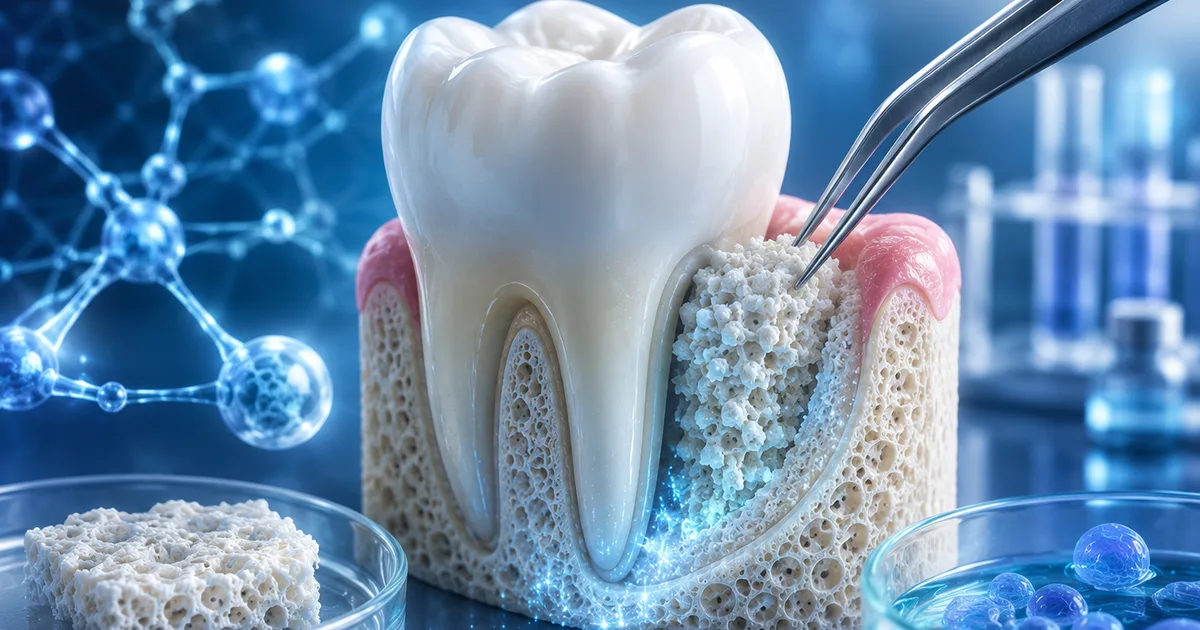
Modern dentistry continues to evolve rapidly, and one of the most exciting innovations in recent years is the development of regenerative biomaterials. These advanced materials are designed to support the body's natural healing processes while promoting the regeneration of bone and gum tissue lost due to periodontal disease, trauma, or tooth extraction.
In dental implantology, regenerative biomaterials are widely used to rebuild bone volume before implant placement. When a patient does not have sufficient bone to support an implant, dentists can perform bone grafting procedures using highly biocompatible materials that encourage the growth of new bone tissue. This makes implant treatment possible even in cases that were once considered highly challenging.
Another important advancement is the use of resorbable membranes and bioactive materials that protect the surgical area while accelerating the body's natural healing process. These technologies help shorten recovery time, improve treatment stability, and increase the long-term success of dental procedures.
Modern regenerative biomaterials are carefully engineered to be highly compatible with human tissues, reducing the risk of postoperative complications while improving patient comfort. Combined with minimally invasive surgical techniques and advanced digital diagnostics, they allow dentists to provide safer, more predictable, and highly personalized treatment.
Research in regenerative medicine continues to expand, and experts believe that next-generation biomaterials will play an increasingly important role in tissue reconstruction and long-term oral health preservation. Today's dentistry is no longer focused solely on treating dental problems—it is also dedicated to restoring natural tissues, improving healing, and helping patients maintain healthy, functional, and beautiful smiles for many years.
In dental implantology, regenerative biomaterials are widely used to rebuild bone volume before implant placement. When a patient does not have sufficient bone to support an implant, dentists can perform bone grafting procedures using highly biocompatible materials that encourage the growth of new bone tissue. This makes implant treatment possible even in cases that were once considered highly challenging.
Another important advancement is the use of resorbable membranes and bioactive materials that protect the surgical area while accelerating the body's natural healing process. These technologies help shorten recovery time, improve treatment stability, and increase the long-term success of dental procedures.
Modern regenerative biomaterials are carefully engineered to be highly compatible with human tissues, reducing the risk of postoperative complications while improving patient comfort. Combined with minimally invasive surgical techniques and advanced digital diagnostics, they allow dentists to provide safer, more predictable, and highly personalized treatment.
Research in regenerative medicine continues to expand, and experts believe that next-generation biomaterials will play an increasingly important role in tissue reconstruction and long-term oral health preservation. Today's dentistry is no longer focused solely on treating dental problems—it is also dedicated to restoring natural tissues, improving healing, and helping patients maintain healthy, functional, and beautiful smiles for many years.